Shopping cart

  • There are no items in your cart.

Subscribe to our newsletter today to receive latest news administrate cost effective for tactical data.


Let’s Stay In Touch

The Learning Center by IMS Screening Solutions

Popular Articles

Substances Commonly Tested in Occupational Health Screenings: What You Should Know
Substances Commonly Tested in Occupational Health Screenings: What You
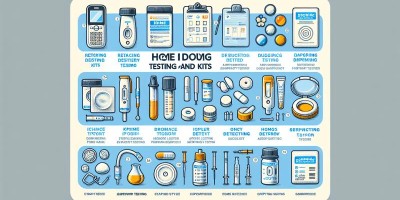
Drug Testing for Home Use: Reliable Methods and Kits Available
Drug Testing for Home Use: Reliable Methods and Kits Available In tod
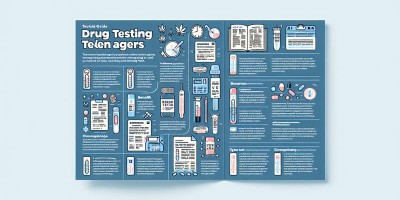
Understanding Drug Testing Options for Teens: A Comprehensive Guide
Understanding Drug Testing Options for Teens: A Comprehensive Guide A
Lab Testing: Ensuring Accuracy in Health Screenings
Lab Testing: Ensuring Accuracy in Health Screenings In today's fast-p
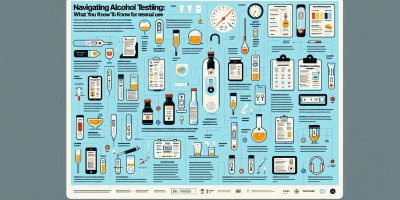
Navigating Alcohol Testing: What You Need to Know for Personal Use
Navigating Alcohol Testing: What You Need to Know for Personal Use In
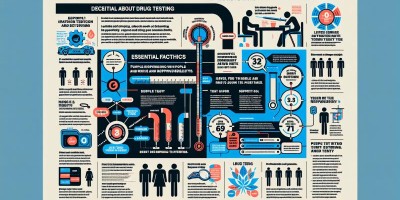
Essential Facts About Drug Testing: Know Your Rights and Responsibilities
Essential Facts About Drug Testing: Know Your Rights and Responsibilit
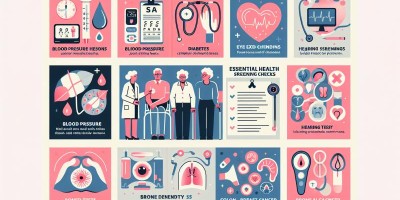
Lab Testing for Seniors: Essential Health Checks to Consider
Lab Testing for Seniors: Essential Health Checks to Consider The impo
Understanding the Common Substances Tested in Alcohol and Drug Screenings
In today’s fast-paced world, alcohol and drug screenings have become

Popular FAQ's

The ability of a test to identify the amount of a substance in your system largely depends on the type of test being performed. Here are some key points to consider when understanding this capability:

Types of Tests

  • Qualitative Tests: These tests can determine the presence or absence of a substance but do not measure the quantity. They are often used for initial screenings.
  • Quantitative Tests: These tests can measure the exact amount of a substance in a sample. They provide numerical concentration levels and are useful for monitoring purposes or when precise data is needed.

Factors Influencing Test Results

  • Type of Sample: Urine, blood, saliva, and hair samples each have their own capabilities and limitations in detecting and measuring substance levels.
  • Detection Limits: The sensitivity of the test can vary. Some tests are designed to detect very low concentrations, while others may only pick up higher levels.
Practical Considerations

When seeking a test to identify the amount of a substance in your system, it's important to consult with your healthcare provider or the testing facility. They can provide guidance on the appropriate type of test based on your specific needs and circumstances. Remember, understanding the context of the test results and how they apply to your health is equally critical.

What type of test is best for long-term drug detection?

When considering drug testing for long-term detection, the type of test you choose is crucial. Each testing method has its own strengths and limitations.

Key Testing Methods for Long-Term Detection

  1. Hair Follicle Test
    • Widely regarded as the most reliable for long-term detection.
    • Can detect drug use for up to 90 days prior.
    • Analyzes drugs embedded in the hair shaft.
    • Less influenced by immediate lifestyle or environmental factors.
  2. Urine Test
    • Common and cost-effective, but best for recent drug use.
    • Typically detects drugs for several days up to a few weeks.
    • Frequent dilution or adulteration can affect accuracy.
  3. Blood Test
    • Highly accurate but primarily for detecting recent use.
    • Invasive and not typically used for long-term detection.

Considerations for Consumers

  • Choose the test best aligned with your specific needs.
  • Hair follicle testing is preferable when the goal is to detect a history of drug use over an extended period.
  • Consult professionals for advice tailored to individual circumstances and legal requirements.
Conclusion

For long-term drug detection, a hair follicle test stands out due to its ability to reflect drug use over several months, providing consumers with a comprehensive picture of an individual's drug history. Depending on your specific situation, combining testing methods might be required for the most accurate assessment.

Experiencing a possible incident can be unsettling, and understanding when to test can help ease concerns and guide your next steps. Reacting quickly is crucial in effectively managing the situation and minimizing any potential harm. Here’s what you need to know:

Importance of Timely Testing

Conducting a test as soon as a suspected incident arises enables quick identification of any issues, aids in damage control, and helps in preventing further complications.

General Guidelines for Testing

  1. Immediate Response: Aim to conduct necessary tests within 24 to 48 hours after noticing a potential issue. Acting swiftly ensures that any problems are identified and addressed promptly.
  2. Consult Resources: If you're unsure about the type of testing needed, refer to online resources or contact a professional who can provide guidance specific to your situation.
  3. Follow-Up: Depending on the initial test results, additional testing might be necessary. Stay informed and prepared to act on any further advice or instructions from experts.
Factors Influencing Testing Timeline
  • Type of Incident: Different incidents require different testing approaches. Understand what you're dealing with to tailor your response effectively.
  • Availability of Resources: Access to testing tools or services can impact how quickly you can respond. Ensure you have necessary tools or services available.
  • Health and Safety: Prioritize safety and take appropriate actions if health risks are involved, seeking professional assistance if necessary.

In summary, acting swiftly and efficiently while staying informed can help protect yourself and manage any technical or personal issues arising from an incident. Always prioritize safety and accuracy in your testing efforts.

Are testing requirements different for non-U.S. citizens?

The testing requirements for non-U.S. citizens vary based on several factors such as the country of departure, vaccination status, and current travel advisories. Below are some key points to consider:

1. General Guidelines

  • Vaccination Status: Non-U.S. citizens who are fully vaccinated may have different requirements compared to those who are unvaccinated. It is important to verify travel guidelines from both the destination and transit countries.

  • Testing Type: The accepted type of COVID-19 tests (such as PCR, antigen) and the timeframe within which they should be taken can differ. Always check for the latest updates from relevant health authorities.

2. Travel Health Notices

  • Consult the Centers for Disease Control and Prevention (CDC) and World Health Organization (WHO) websites for any global travel health notices that may impact testing requirements.

3. Where to Find the Most Current Information

  • Visit the official websites of the U.S. Department of State and the embassy of your destination country to ensure you have the most accurate and up-to-date information on testing and travel requirements.

Testing requirements can change rapidly, so it is crucial to stay informed and plan ahead. It is also advisable to contact airlines or travel agencies for any specific protocols they might have in place for non-U.S. citizens.

When a court orders a drug test, specific requirements must be followed to ensure the process's integrity and legality. Understanding these requirements can help you better prepare for the test.

Common Requirements for Court-Ordered Drug Tests:

  1. Type of Test: Courts may specify the type of drug test, such as urine, hair, blood, or saliva. Urine tests are the most common due to their cost-effectiveness and ease of administration.
  2. Test Frequency: Depending on the court order, the test may be a one-time requirement or performed on a regular basis.
  3. Testing Facility: The court may designate specific testing facilities where the drug test must be conducted. These facilities should be certified and adhere to strict guidelines to maintain accuracy.
  4. Substances Tested: Courts can specify the substances for which you will be tested. This often includes common drugs like marijuana, cocaine, opioids, and amphetamines.
  5. Supervision: To prevent tampering, the test collection may be supervised. This means a professional will be present to ensure the sample's authenticity.
  6. Result Reporting: Results are typically sent directly to the court or a designated officer. Ensure you understand who will receive the results and any privacy policies in place.
  7. Compliance: Non-compliance with court-ordered testing can result in legal consequences, including fines or jail time. It is crucial to adhere strictly to all requirements.

Legal Considerations:

  • Court-ordered tests are legally binding; failure to comply can lead to penalties.
  • If you believe there's a legal issue with the test, consult an attorney.

Understanding these requirements can help ensure you comply with the court's mandate while protecting your rights and interests. Always seek clarification from your legal counsel or the court if you have questions about your specific situation.

Can alcohol tests detect more than just recent consumption?

Alcohol tests are primarily designed to determine recent alcohol consumption, but the specifics can vary greatly depending on the type of test used. Here's an overview of how different alcohol tests work:

Types of Alcohol Tests

  1. Breath Tests:

    These tests are often used by law enforcement and can detect alcohol consumed in the past few hours. They measure Blood Alcohol Concentration (BAC) through breath samples, revealing real-time consumption.

  2. Urine Tests:

    While less immediate than breath tests, urine tests can detect alcohol for up to 48 hours after consumption. Some advanced tests look for ethyl glucuronide (EtG), a byproduct of alcohol metabolism, extending detection to 3-5 days.

  3. Blood Tests:

    The most accurate test, it can identify alcohol consumption within the last 6-12 hours by directly measuring BAC.

  4. Hair Tests:

    These tests are not common for routine detection but can detect alcohol consumption over a longer period, such as weeks to months, by measuring the incorporation of EtG into hair strands.

Summary

  • Breath and blood tests are best for detecting recent drinking within hours.
  • Urine tests can extend detection to several days post-consumption.
  • Hair tests can provide evidence of long-term consumption patterns.

Understanding these differences can help in selecting the appropriate test for personal or professional needs.

If you believe your results are incorrect, here are some steps you can take to address the issue:

  1. Review the Data Submitted

    Double-check the data you provided for analysis. Errors in the information you submitted could lead to inaccurate results.

  2. Understand the Parameters

    Ensure you fully understand the parameters and assumptions under which the results were generated. Small nuances in these factors might affect the outcomes.

  3. Consult the Help Resources

    Visit the FAQ section or help resources on our website. These resources can offer insights into common issues and how to resolve them.

  4. Contact Support

    If you're still concerned, contact our support team. Provide detailed information, including your user ID, the date of the analysis, and a description of the issue.

  5. Request a Reanalysis

    In some cases, it may be beneficial to request a reanalysis of your data. Check if our service offers this option and follow the required procedure.

  6. Seek Expert Opinion

    If applicable, consider consulting a professional for an expert opinion. They may provide clarity or identify discrepancies in the results.

By following these steps, you can closely examine the results and determine the next best course of action.

FAQ: Are mobile or on-site testing services available for individuals?

Yes, there are mobile and on-site testing services available for individuals seeking convenience and accessibility in their healthcare needs.

Here are the options you can consider:

Mobile Testing Services

  • Home Visits: Many providers offer diagnostic testing at the comfort of your home. This includes various tests like blood samples, COVID-19 testing, and more.
  • Mobile Clinics: These are specialized vans or buses equipped to perform a range of tests in your neighborhood or workplace.
Benefits of Mobile Testing
  1. Convenience: Save travel time and avoid crowded waiting areas.
  2. Privacy: Perform tests in a more private setting, which is particularly comforting for certain medical situations.

On-site Testing Services

  • Walk-in Clinics: Located in various convenient locations like shopping centers. No appointment needed.
  • Pharmacy Partnerships: Some pharmacies offer quick in-store testing options, often without the need for an appointment.

Both mobile and on-site services aim to provide accessible, timely, and efficient testing solutions to meet individual healthcare demands. Always check with service providers about the availability and types of tests they offer.

Yes, you can take English language tests for immigration or visa purposes. These tests are typically required to demonstrate your English proficiency, which is often a crucial part of the immigration or visa application process. Below are some key points to consider:

Common Tests Accepted

  • IELTS (International English Language Testing System): Widely accepted by governments around the world.
  • TOEFL (Test of English as a Foreign Language): Recognized by numerous immigration agencies.
  • PTE (Pearson Test of English): Accepted in some visa applications, particularly in Australia.

Steps for Test Preparation

  1. Determine the Required Test: Check which test is accepted for your specific immigration or visa application.
  2. Prepare for the Test: Invest time in studying and taking practice tests to improve your English skills.
  3. Register for the Test: Book your test in advance to ensure availability on your preferred date.
Importance of Test Scores

Achieving the required score is often a mandatory step in your immigration or visa process, affecting your eligibility and application outcome. It is advisable to thoroughly prepare and understand the minimum score requirements for your application type.

  1. Same-Day Testing Discounts

    We understand the importance of prompt service and offer special pricing for those needing same-day testing. These discounts are designed to provide affordable options for our clients who require immediate results.

    • Eligibility: Discounts may be available for appointments booked on the same day of the test, subject to availability.
    • How to Avail: Contact our customer service team or check our website for the latest promotions related to same-day testing.
    • Conditions: Note that these discounts can vary based on demand and location.
  2. Bulk Testing Discounts

    For individuals or groups requiring multiple tests, we offer competitive bulk pricing. This is perfect for families, organizations, or community groups looking to optimize their testing expenditure.

    • Eligibility: Typically available when purchasing a specified number of tests in one transaction.
    • How to Avail: Reach out to our sales team to discuss your testing needs and obtain a bespoke quote.
    • Conditions: Discounts may be adjusted based on the total number of tests and other applicable factors.
  3. Additional Information

    For more details on our discount programs or to explore other cost-saving options, please visit our official website or connect with our customer service representatives. We are committed to offering flexible solutions tailored to meet the diverse needs of our clients.

When involved in custody cases, drug testing can play a vital role in determining the best interest of the child. Below are the common requirements for drug tests in these situations:

General Requirements

  1. The individual may be required to undergo drug testing based on the court's discretion or when one party requests it and provides a reasonable basis.
  2. The type of drug test administered can vary. Common tests include urinalysis, hair follicle tests, and blood tests.

Specific Considerations

  • Chain of Custody: It is crucial to maintain a strict chain of custody to ensure the integrity and accuracy of the test results.
  • Timing and Frequency: The court may set specific dates or require random testing, sometimes regularly, to monitor the situation over time.
  • Accredited Facilities: Tests typically need to be conducted at certified laboratories to ensure they meet legal standards.
Legal and Financial Aspects
  1. The cost of the drug test may be assigned to either party as decided by the court.
  2. If an individual fails a drug test, they may have the opportunity to contest the results or request a retest.

Understanding these requirements is essential for ensuring fair and accurate outcomes in custody cases. Always consult legal professionals for guidance specific to your situation.

When navigating a recovery program, it is essential to understand various tests that can support your journey. These tests aim to monitor your health and progress while assessing any potential risks that could hinder your recovery.

Recommended Tests for People in Recovery Programs

  1. Substance Use Testing:
    • Urinalysis: Regular urine tests are common for detecting drugs or alcohol in the system.
    • Blood Tests: These can provide more detailed results about substance levels and are often used to confirm other test findings.
  2. Psychological Assessments:
    • Depression and Anxiety Screenings: It's crucial to address any mental health issues that may impact your recovery.
    • Behavioral Assessments: Understanding behavior patterns can help tailor individualized recovery plans.
  3. Health Monitoring:
    • Liver Function Tests: These are vital for those recovering from alcohol or substance abuse, as they assess liver health.
    • Nutrition and Deficiency Tests: Ensuring proper nutrition helps rebuild physical health, crucial in recovery.

Additional Tests

Additional tests are often tailored to individual needs as determined by healthcare providers. This personalized approach ensures you receive the most effective support for your recovery journey.

Arranging a Test for Someone Else

If you need to arrange a test for a family member or someone else, follow these steps to ensure a smooth process:

  1. Identify the Test Needed:

    Determine the specific test required based on your family member’s needs. Confirm any specific requirements or preparations needed for the test.

  2. Check Eligibility:

    Verify that the person taking the test meets all eligibility criteria, including age, medical conditions, or prerequisites necessary for the test.

  3. Gather Personal Information:

    Collect necessary personal details such as full name, date of birth, contact information, and any medical history pertinent to the test.

  4. Contact the Testing Facility:

    Reach out to the relevant testing center. This can typically be done via phone, email, or through their website. Inquire about available testing dates and any additional instructions.

  5. Schedule the Test:

    Book the appointment using the gathered information. Make sure to confirm the date, time, and location of the test. Obtain confirmation details, such as an appointment number or email confirmation.

  6. Communicate Details:

    Inform your family member about the appointment details including date, time, location, and any special instructions they need to follow.

  7. Prepare Required Documentation:

    Organize any necessary documentation that might be required at the testing center, such as identification or insurance information.

  8. Accompany if Necessary:

    If possible or required, consider accompanying your family member to the test to assist and ensure all protocols are followed accordingly.

Additional Tips:

  • Check for online scheduling options to streamline the process.
  • Ensure the individual has transport arrangements for the test day.
  • Review any post-test procedures or results notifications together.

There are many scenarios where you might consider using test results as evidence in a personal matter, such as family disputes, paternity questions, or health-related discussions. Here are some points to consider:

Types of Test Results

  • Medical Tests: Blood tests, genetic tests, or other diagnostic results from healthcare providers.
  • Environmental Tests: Tests measuring substances like radon or mold in your home.
  • Consumer Product Tests: Results from testing items such as water quality or food safety.

Importance of Accuracy and Authenticity

To ensure the reliability of test results, they must be conducted and documented properly. It's essential that:

  1. The tests are carried out by certified professionals or reputable labs.
  2. Results are documented clearly, showing method and date.
Legal Considerations

Using test results as evidence may involve certain legal standards:

  • Consulting with a legal professional can clarify admissibility.
  • Privacy laws may restrict how medical or personal information is shared.

While test results can strengthen your position in personal matters, it’s crucial to handle them thoughtfully and legally.

If you need a test immediately, here are the steps you can take to ensure you get tested as quickly as possible:

Immediate Steps for Getting Tested:

  1. Contact Local Testing Centers:

    Use online search engines or local health department websites to find testing centers near you.

  2. Check Availability:

    Once you find nearby centers, check their availability. Some centers may accept walk-ins, but it's advisable to confirm.

  3. Book an Appointment:

    If appointments are required, book the earliest available slot. Online booking systems are usually the fastest way to secure your appointment.

  4. Visit Urgent Care or Medical Clinics:

    These locations often provide immediate testing services, but may involve longer wait times compared to dedicated centers.

  5. Consult with Telehealth Services:

    Some providers can guide you and even recommend testing sites that can take you immediately.

Consider Alternatives:

  • Home Test Kits:

    If available, at-home test kits can provide results quickly. Be sure to follow instructions precisely for accurate results.

  • Pharmacies:

    Many pharmacies offer testing, sometimes without an appointment, and can be a convenient option.

Additional Tips:
  • Have your identification and insurance information ready, as it may expedite the process.

  • Be prepared for a wait, especially if visiting a walk-in site or urgent care center.

  • Continue practicing safety measures such as wearing a mask and maintaining social distance while seeking testing services.

Taking these steps can help ensure prompt testing and potentially quicker results. It's essential to prioritize your health and the well-being of others by getting tested as needed.

Ensuring the accuracy of drug tests is crucial for reliable results. Several steps and methodologies contribute to this:

1. Quality of Test Kits

  • Reputable manufacturers follow stringent guidelines and use high-grade materials to produce reliable test kits.
  • Look for test kits that are FDA-approved or meet international standards, indicating thorough validation processes.

2. Sample Collection

  • Proper sample collection is vital. Follow instructions meticulously to avoid contamination or degradation of the sample.
  • For at-home tests, ensure hands are clean, and use provided containers correctly.

3. Laboratory Standards

  • Accredited laboratories adhere to strict protocols and undergo regular audits to maintain high accuracy levels.
  • Advanced technologies are employed by labs for precise measurement and detection.

4. Cross-Verification

  • Initial positive results from screening tests are generally verified using more sophisticated confirmatory tests like GC-MS (Gas Chromatography-Mass Spectrometry).

5. Proper Storage and Handling

  • Ensure test kits and samples are stored as per the manufacturer's guidelines to maintain their efficacy.
6. User Guidelines

Always follow the user instructions provided with the drug test carefully to achieve accurate results.